Nika Explanes Art History
Abstract
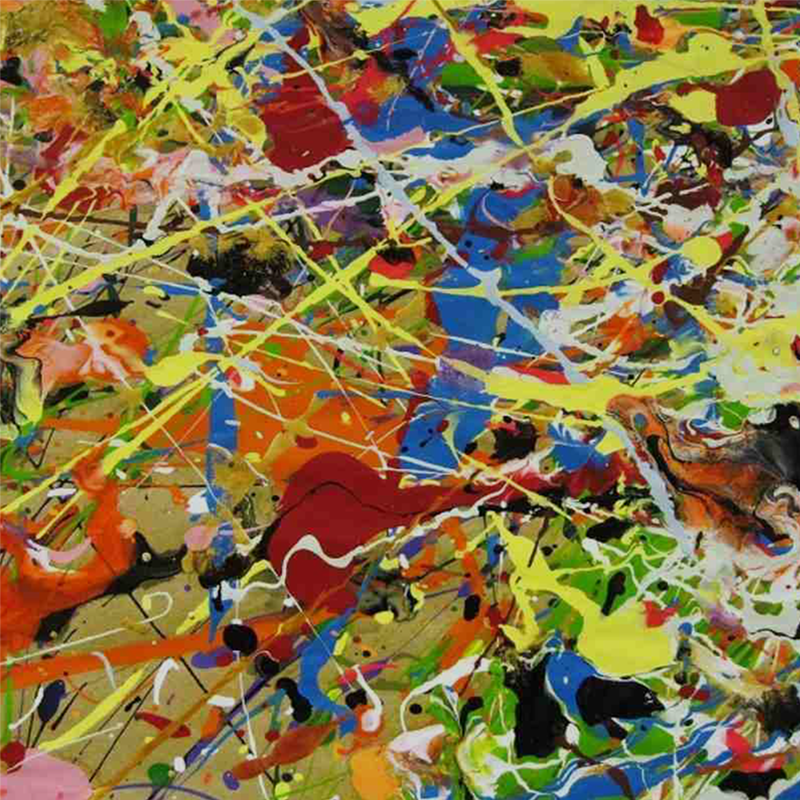
When abstract art was created artists weren't painting everything accurately any more. The main reason abstract artists began using colour, shape, line, form and emotion, was because artists began thinking why does a painting have to look like something. There is abstract art that is geometric and colourful, it can be simple, or downright messy...
You are left to decide what it is, this artist was Wassily Kandinsky(Composition VIII).
There is abstract art that has nice square shapes such as Composition with Red, Blue and Yellow, an artist who used shapes in art was Piet Mondrian. Kazimir Malevichs Black Square is yet again another abstract painting with shapes in it. Don't forget: Abstract Art= feel, shapes and doesn't look like anything.
Abstract
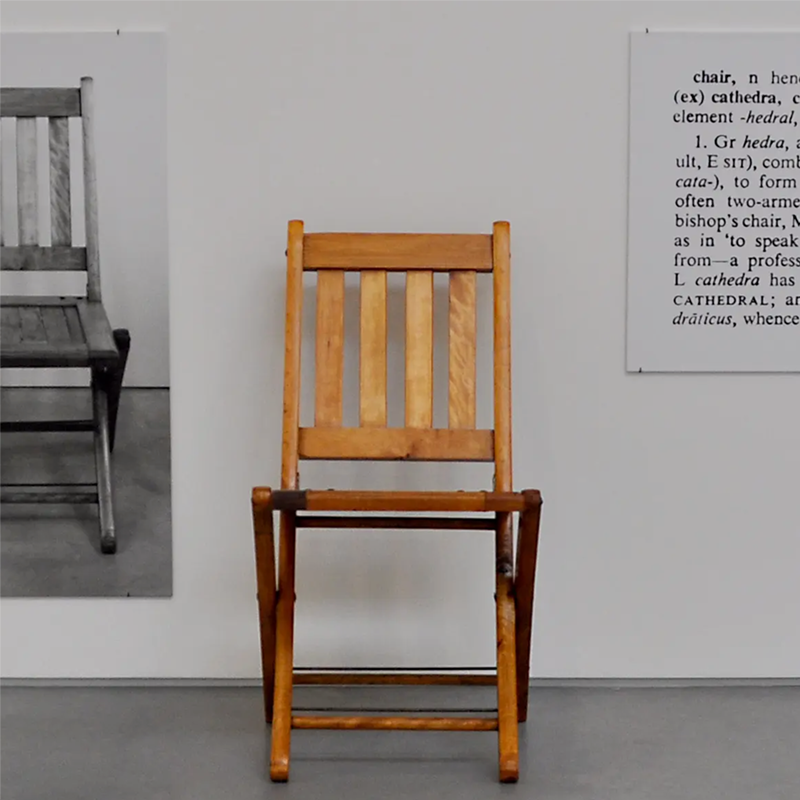
A movement in the 60s and 70's in which the concept and ideas surrounding the artwork are placed in front of and regarded more significantly than the physical object, by Artists looking to alter and extend the notion of what a work of art is/looks like, and using commonplace objects, texts, photographs, instructions and performances as vehicles for their art. Significant works include Duchamp's' Fountain,' Kosovo's' One and Three Chairs' and' Cut Piece' by Yoko Ono. Conceptualism essentially asked 'What makes something a work of art?'. IDEA 1st, Artwork 2nd.
Cubism
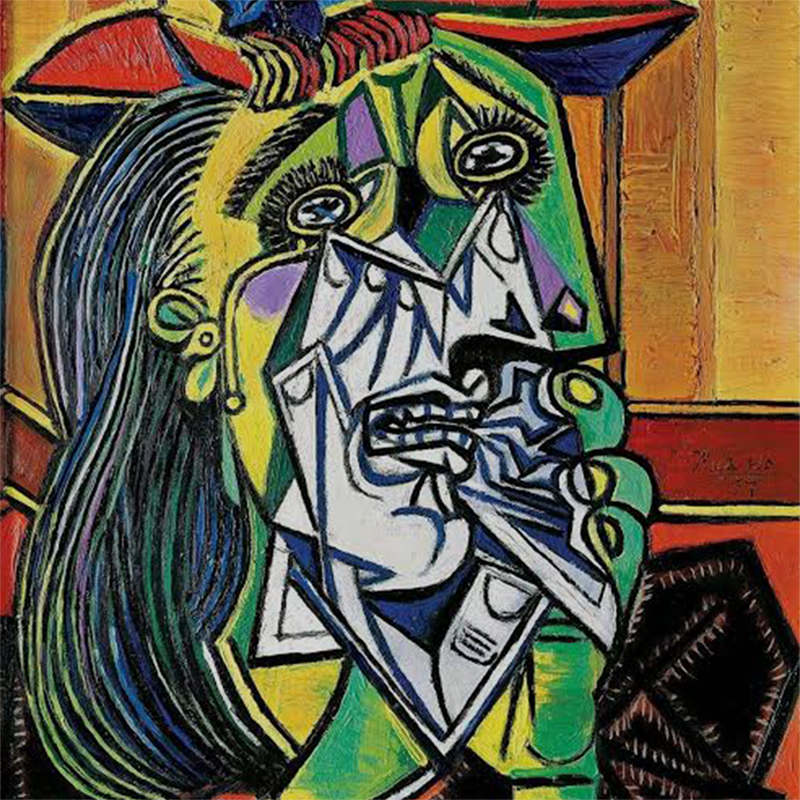
Cubism evolved between 1907-1914, with the pioneering work of Pablo Picasso and Georges Braque. The intention was to depict objects from several different angles simultaneously. Rather than representing someone, something or building from a single perspective the work was fragmented into planes and fragments.
Early cubist pieces tended to use dark, muted tones, such as brown or grey, whereas cubism evolved into a more colorful movement in its later stages.
Key pieces include: Picasso: Les Demoiselles d'Avignon and Guernica, Braque: Violin and Candlestick. Remember cubism= chop it up, rearrange it, show every angle.
Dada
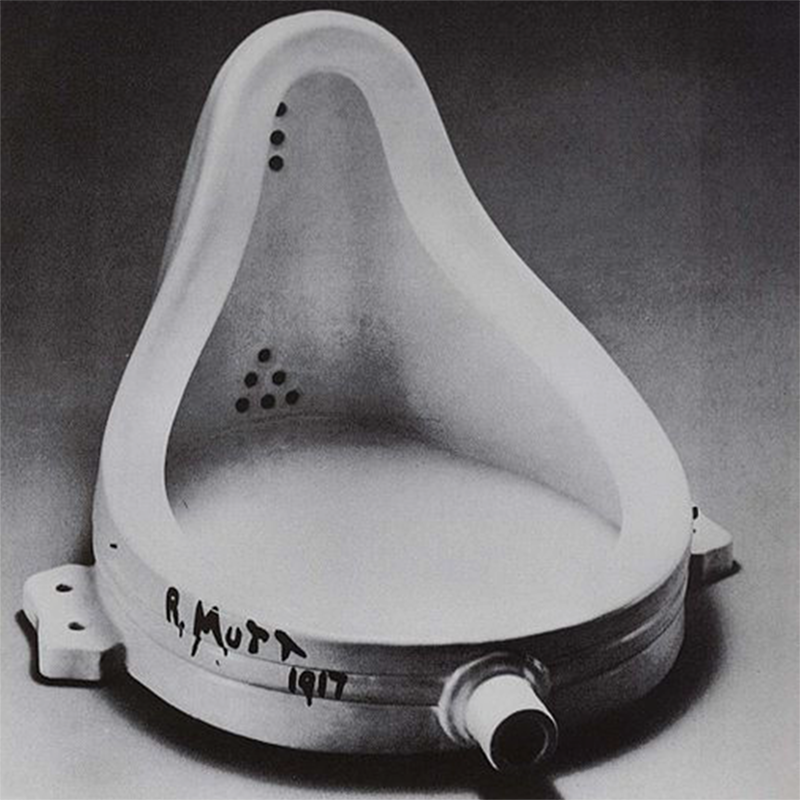
Dada kicked off about 1916, during World War I. Disgusted by all the violence and absurdity of society, artists decided if society was totally silly, why couldn't art be just as silly? Dada artists combined nonsense, humor, collage, found objects (i.e., something that is found rather than made), "readymades" and shocked the art world with their rebellious concepts.
Famous artists of this movement include Marcel Duchamp ("Fountain"), Hannah Hch ("Cut with the Kitchen Knife"), and Man Ray ("Gift").
In simple terms, Dada was the crazy friend yelling at you, "Art does not have to make any sense!"
Remember: Dada= Nonsensical, anti-conventional, defiant
Futurism
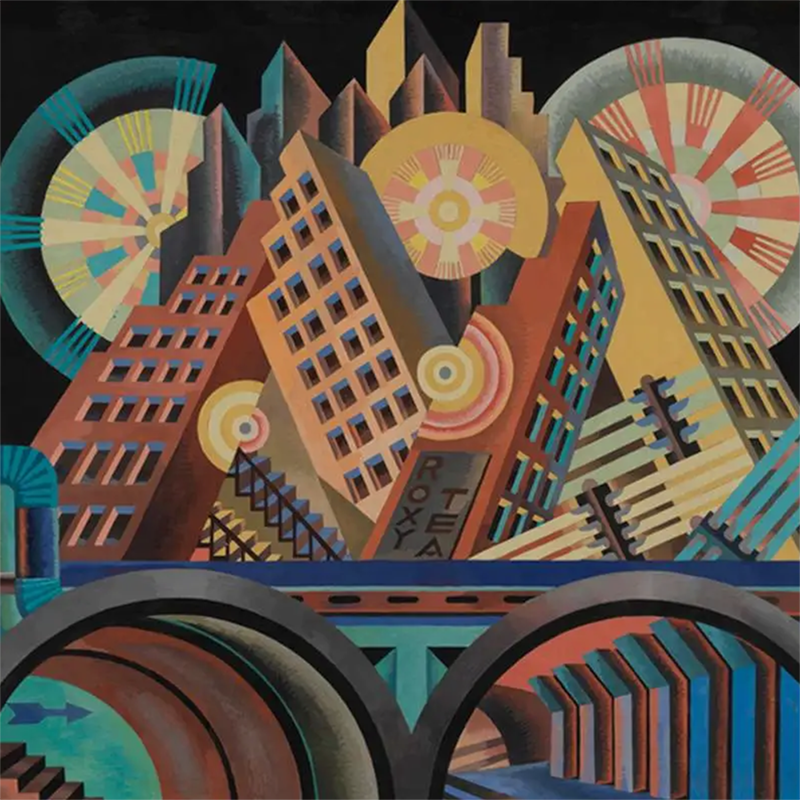
Futurism was formed in Italy in 1909. It idealized machines, technology and speed. Futurist artists were extremely interested in the speed of modern machines such as motor cars, railways and aeroplanes.
Their painting had to convey speed.
They liked shapes or line to echo shapes, overlaps and composition and used them to express movement and dynamism. Examples would Umberto Boccioni (Unique Forms of Continuity in Space) or Giacomo Balla (Dynamism of a Dog on a Leash). Key idea to remember: FUTURISM= SPEED + MACHINES + THE FUTURE.
Fauvism
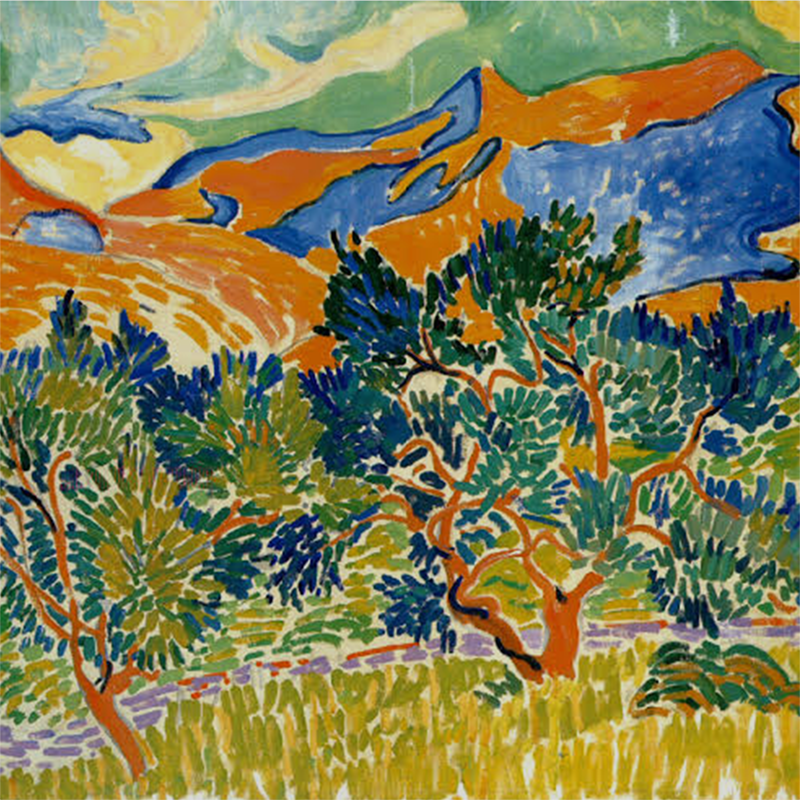
Fauvism is style which has emerged about 1905- 1908 and which is recognised for its savage, unreally applied colours. The Fauves is French from 'wild beasts' as one artcritic commented ' wild beasts they are to me with such a riot and profusion of gaudy colour and frantic drawing' said he' fauvist painters didn't care whether colours look real or not-faces can be green, trees purple, sky orange... Fauves artists employ such vivid colours; and brushstrokes are bold, not subtle in forms or contours are simple and outline bold.
Significant Fauvist artists are Henri Matisse ('woman with hat','Joy of life') and André Derain('Charing Cross bridge').
Fauvism = wild color.
.
Impressionism
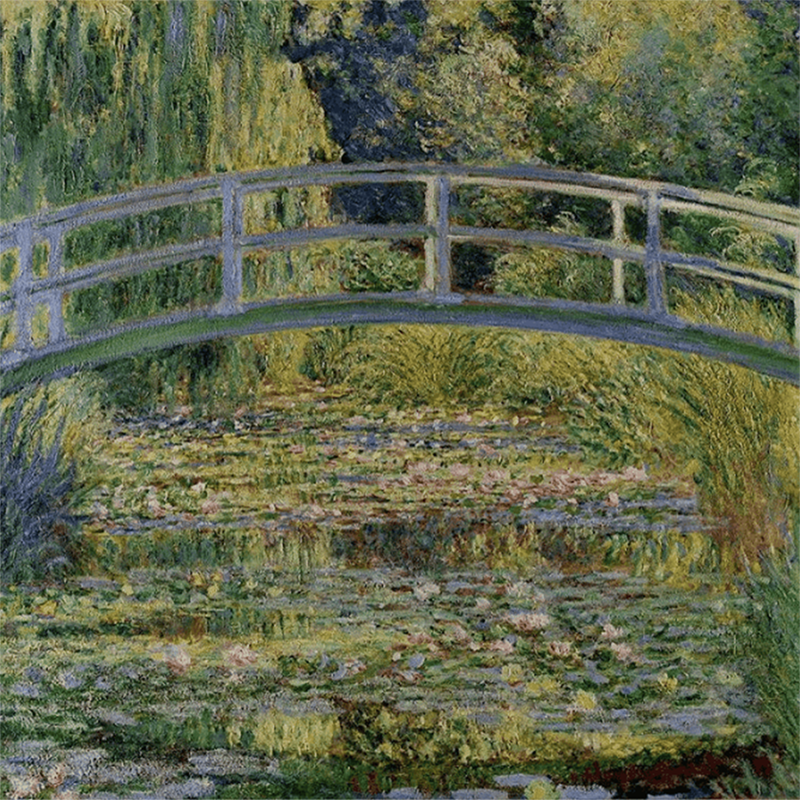
The Impressionist period was primarily concerned with the 1870's-1880's whenartists sought to convey the sensations and the atmosphere of a particular moment in time with emphasis placed on light and atmosphere. Abandoning detail, artists worked with loose, visible brush strokes, vibrantly colored palettes and separate color masses. Many artists worken plein air(outside) but the most typical Impressionist pictures recorded ordinary everyday life, people, places and, particularly, light and its shifting qualities.
Key artists of the Impressionist style include Claude Monet, who painted Impression, Sunrise and the Water Lilies, Pierre-Auguste Renoir (Dance at Le Moulin de la Galette), and Edgar Degas (The Ballet Class).
Impressionism = LIGHT + MOMENT + LOOSE BRUSH STROKES.
.
Post-Impressionism
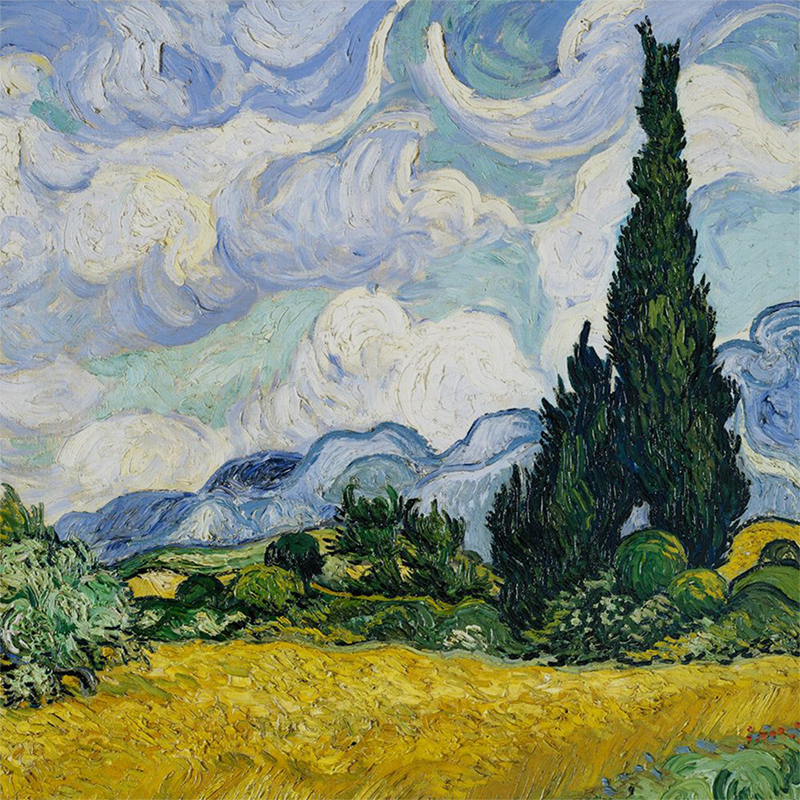
Developed around 1886-1905 the Post-Impressionist movement basically said to Impressionist artists "Thanks very much, but lets get more interesting!". They continued with the colour and dabs of paint they gained from impressionism but started to incorporate emotions, symbolism and structures into their work, resulting in wildly different art from various artists. Think Van Gogh with its expressive brush-strokes and colours (Starry Night and Sunflowers) and Cezanne with its structure and perspective (The Card Players).
Gauguin also included much more symbolic colour in his works (Where do we come from?
What are we?
Where are we going?). Post-Impressionism = Impressionism +emotion!
.
Expressionism
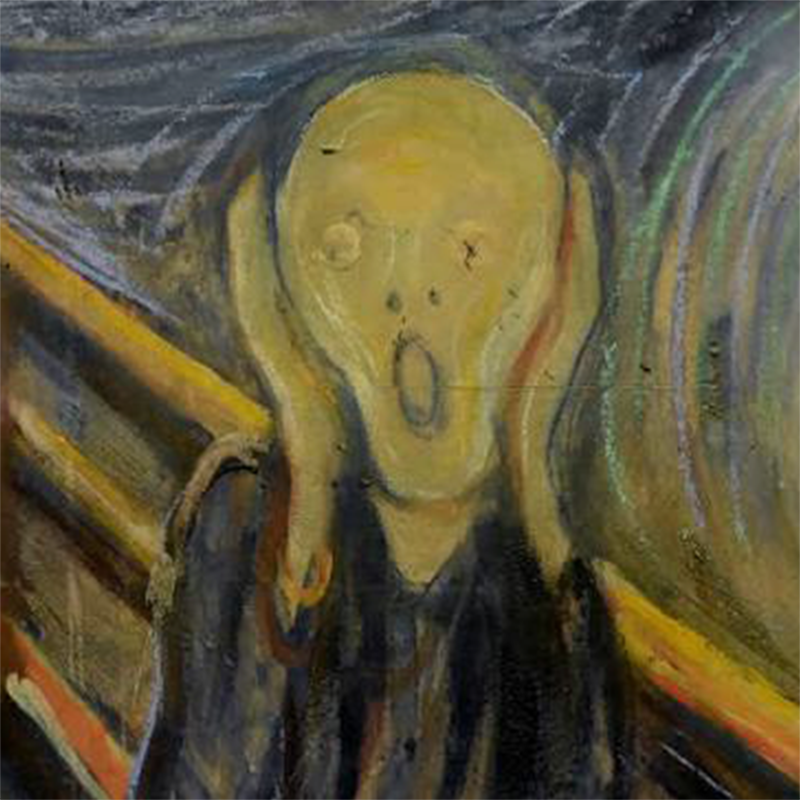
Expressionism was most popular in the first decades of the 1900s, around 1905-1920, and artists wanted to express their inner selves through their work rather than focus on realism. Many artists twisted and altered people, landscapes, and objects using thick, bold colors, dramatic linework, distorted forms, and energetic brushstrokes to express feelings like anxiety, dread, happiness, and more. Notable Expressionists include Edvard Munch – famed for The Scream – Ernst Ludwig Kirchner – famous for Street, Dresden – and Wassily Kandinsky, in his early work, for his exploration of expressive color and abstraction.
In essence, Expressionist artists seemed to say, "Never mind what it ACTUALLY looks like-this is how it FEELS!"
And remember this: EXPRESSIONISM = EMOTION + DISTORTION + DRAMA.
.
Pop Art
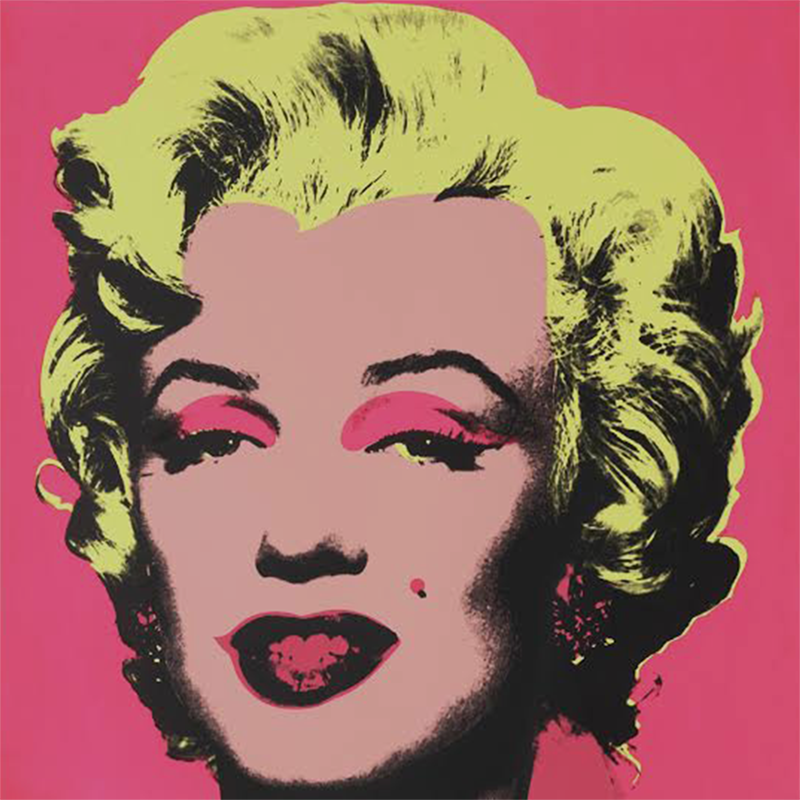
Popular in the 1950s and the 60s, the influences for the movement are derived from things such as advertisements, stars, comics, consumer items, the television, and everything that the general consumer is familiar with. The key thought behind Pop Art was that Pop artists aimed to distinguish between mainstream pop culture and the 'fine art' context, bringing about things such as soup cans, comic strip scenes, and famous individuals into that sphere, such as a work of art. Pop often includes loud colours, thick black outlines, replication, and commercial printing methods.
Known artists include Andy Warhol who painted Campbell's soup Cans and Marilyn Diptych, Roy Lichtenstein known for Whaam!
And Drowning Girl, and Richard Hamilton, known for Just what is it that makes today's homes so different, so appealing? Remember that Pop Art=EVERYDAY POPULAR CULTURE ART!
.