Vincent Van Gogh
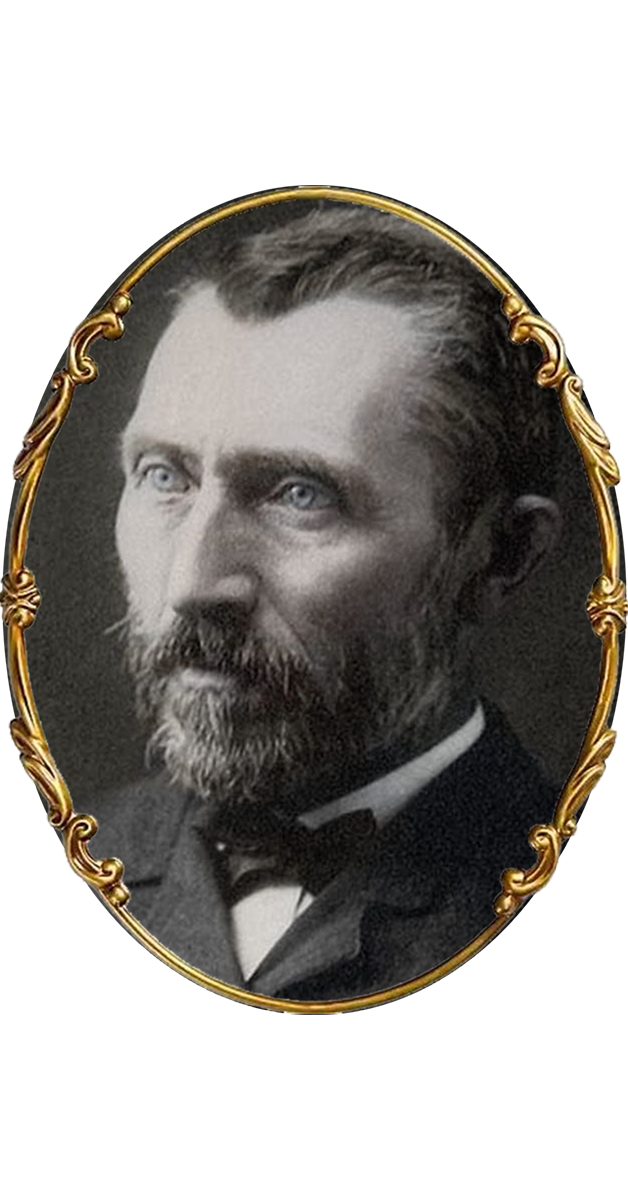
Vincent Van Gogh
One of the most influential figures of Post-Impressionism; Vincent van Gogh was a Dutch painter (1853–1890), best known for his expressive paintings of landscapes, flowers, portraits, self-portraits and everyday scenes. He became recognized for his bold colours, dramatic brushwork and emotional approach to painting. Heavily influenced by Impressionism and Japanese prints, Van Gogh developed a highly personal style that moved beyond simply observing reality, using colour and brushstrokes to express emotion and atmosphere. His interest in nature led him to paint sunflowers, fields, trees and night skies with energetic, swirling brushstrokes. Van Gogh used vivid colours, thick layers of paint and expressive lines to create compositions that feel energetic, emotional and full of movement.
Key Facts
* Born: 1853
* Zundert, Netherlands
* Died: 1890
* Auvers-sur-Oise, France
* Post-Impressionism
- Landscapes; flowers; portraits; self-portraits; everyday life; nature
- Oils; Drawing; Watercolour
- Bold colours; expressive brushwork; thick paint; swirling lines; emotion; movement; strong contrasts
- Major artworks: The Potato Eaters (1885); Sunflowers (1888); The Bedroom (1888); The Starry Night (1889); Irises (1890)
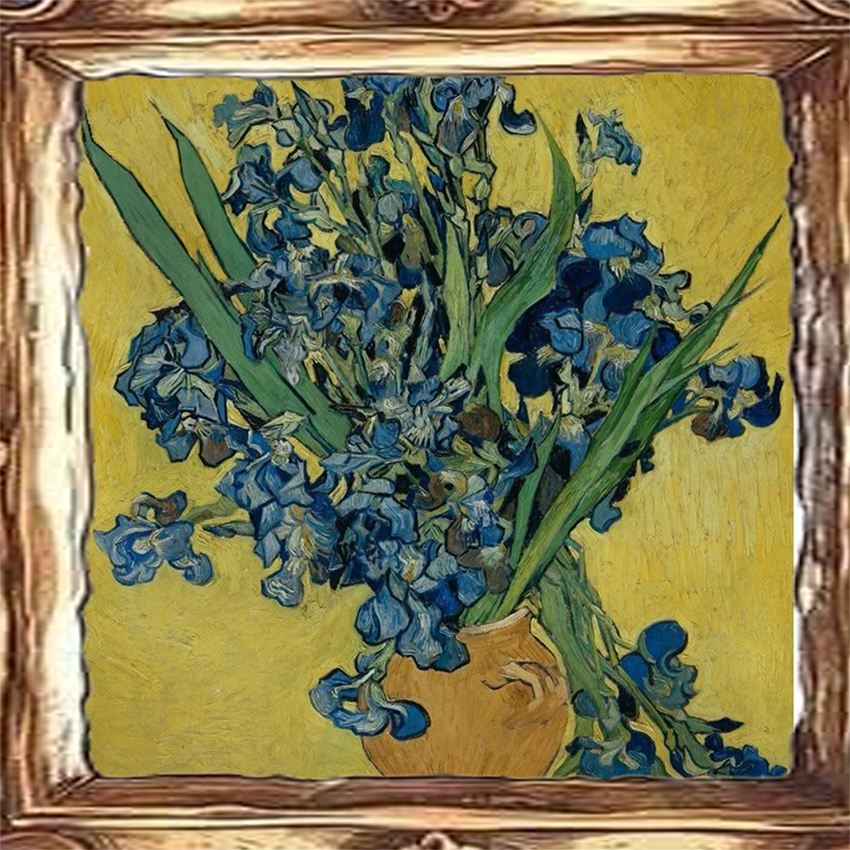
Vincent van Gogh - Irises in a Vase (1890)
Irises in a Vase depicts a bunch of purple irises in a simple vessel. Van Gogh has made use of brash brushstrokes, vigorous outlines and opposing colours (the purple flowers against the yellow canvas). The lively application of paint makes the flowers almost seem to shimmer and glow. The painting is indicative of Van Gogh's Post-Impressionist style, inspired by the artist's interest in conveying emotion through colour and expressive paint application rather than naturalistic depiction.
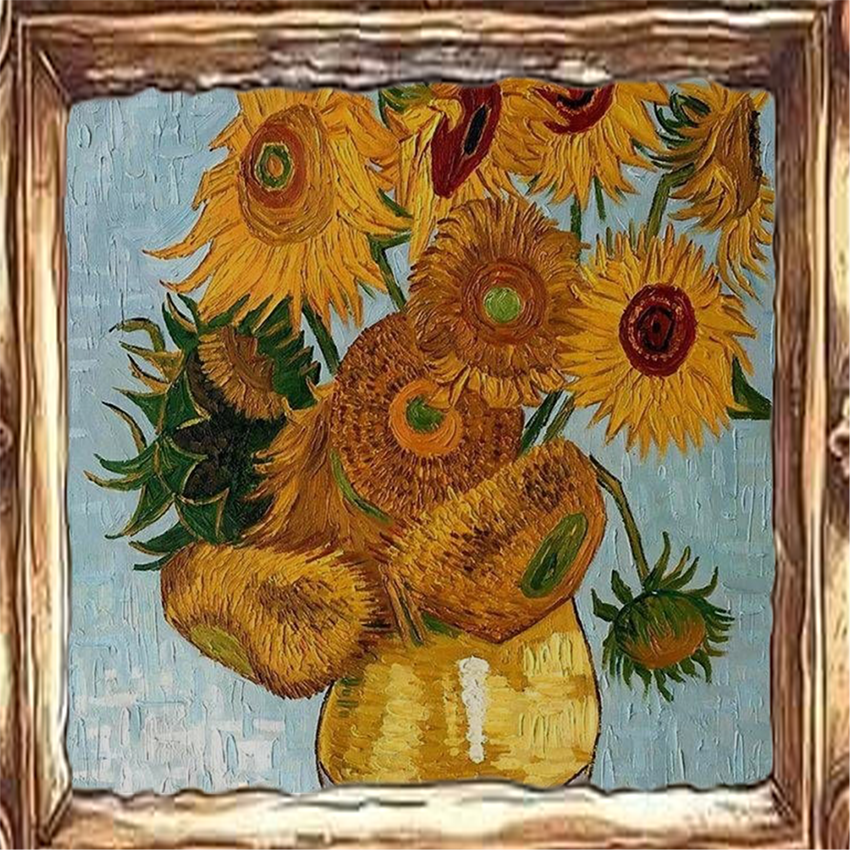
Vincent van Gogh - Sunflowers (1888) Sunflowers
presents a bunch of bright yellow flowers in a plain vase. Van Gogh employs bold brushwork, vibrant yellows and oranges and high impasto to capture the energy and texture of the flowers. The plain composition supports the colour and expressive brushwork, so the image feels alive. This painting is a good example of Van Gogh's Post-Impressionist style, using colour and brushwork to communicate mood and emotion.
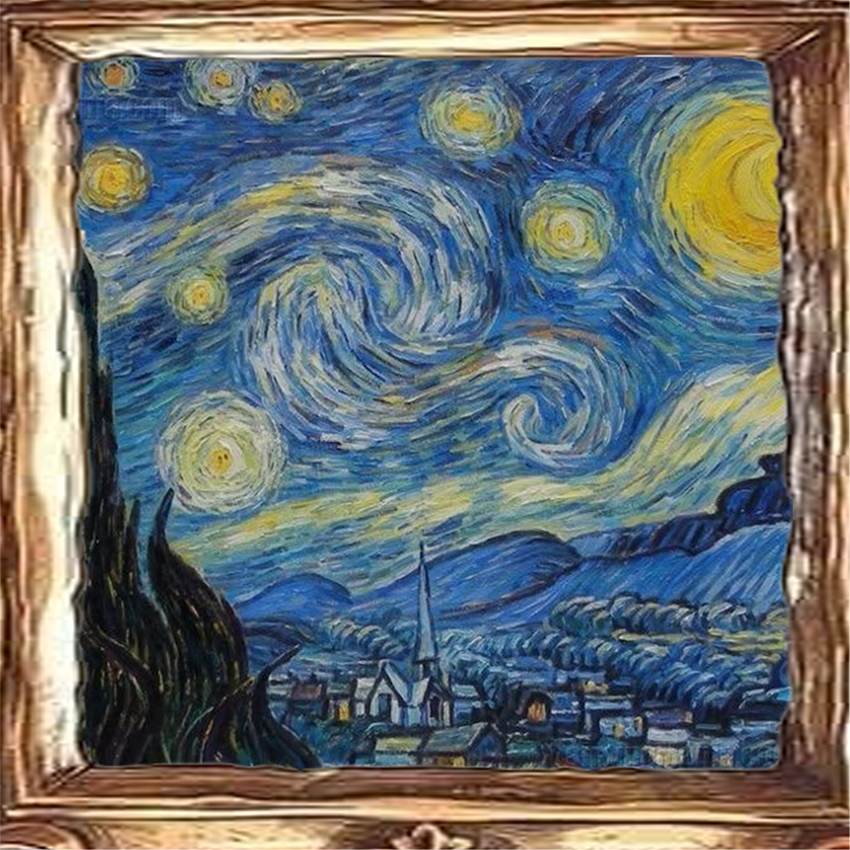
Vincent van Gogh - The Starry Night (1889)
The Starry Night depicts a swirling night sky filled with stars over a peaceful town, with a towering cypress tree in the forefront. Van Gogh employs large, emotive brushstrokes, swirling forms and bold colours like vibrant yellow and deep blue in an energetic scene filled with emotion. The lively sky is contrasted with the serene village below, creating a compelling image. The Starry Night is a prime example of Post-Impressionism, with Van Gogh using colour and impassioned brushwork to express feelings, rather than to depict reality.
Paul Cézanne
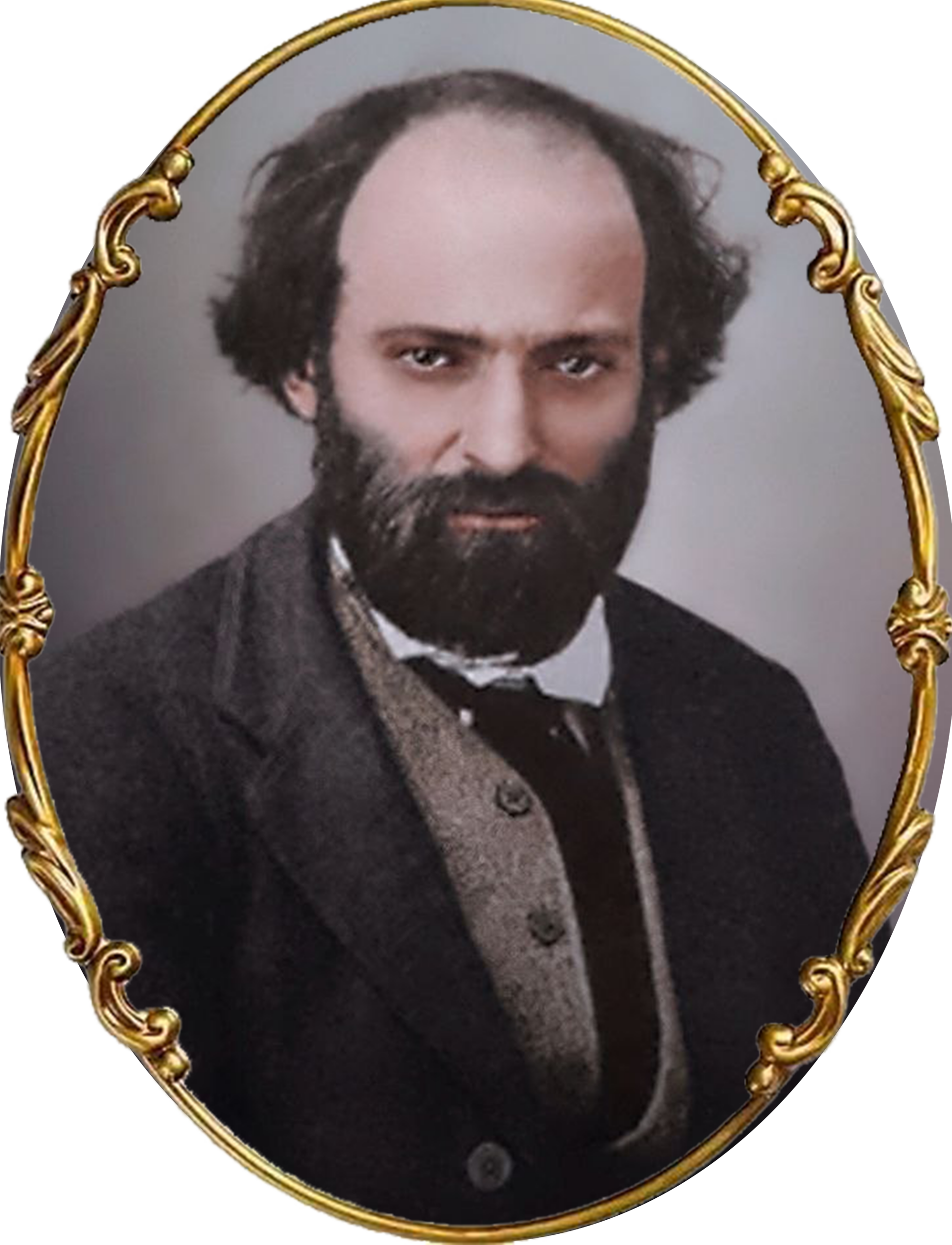
Paul Cézanne
One of the most important figures in the development of modern art; Paul Cézanne was a French painter (1839–1906), best known for his landscapes, still lifes, portraits and studies of everyday objects. Often described as a Post-Impressionist, Cézanne moved away from the loose, spontaneous style of Impressionism and focused on structure, form, colour and composition. He believed nature could be understood through basic geometric shapes, such as spheres, cylinders and cones. His paintings often used small, deliberate brushstrokes and shifts in colour to create depth and three-dimensional form. Cézanne’s approach to simplifying objects and landscapes strongly influenced later artists, particularly the development of Cubism.
Key Facts
* Born: 1839
* Aix-en-Provence, France
* Died: 1906
* Aix-en-Provence, France
* Post-Impressionism
- Landscapes; still lifes; portraits; bathers; everyday objects
- Oils; Watercolour; Drawing
- Geometric forms; structure; colour; perspective; small brushstrokes; simplified shapes; strong composition
- Major artworks: The Card Players (1890–95); Mont Sainte-Victoire (c. 1888–90); The Basket of Apples (c. 1893); The Large Bathers (1898–1905); Still Life with Apples (c. 1893–94)
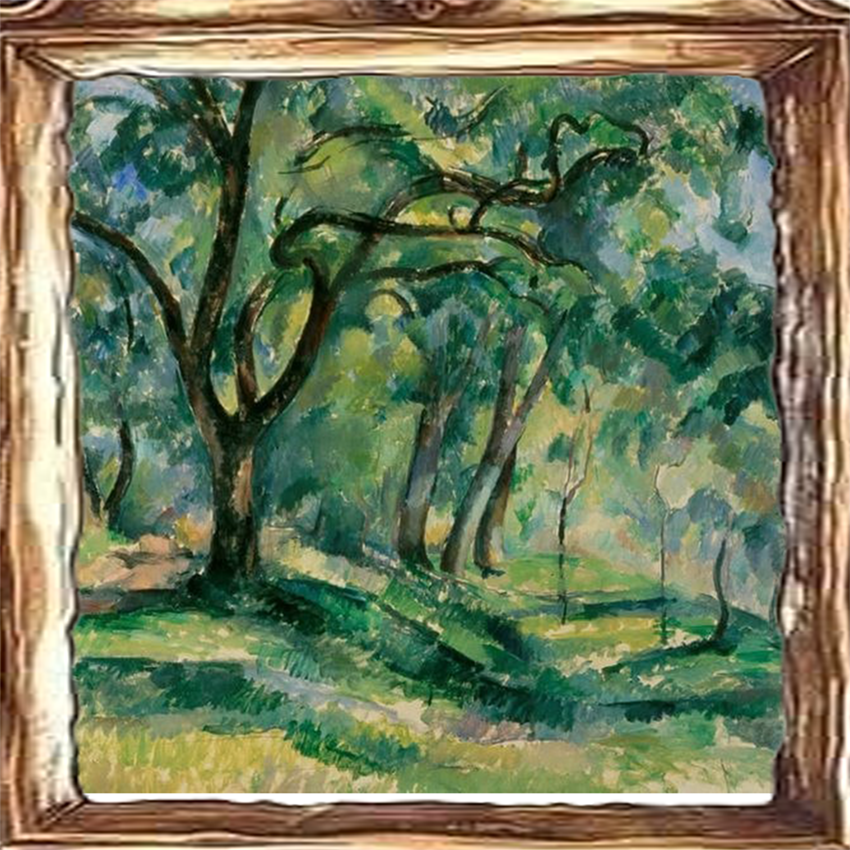
Paul Cézanne – The Forest
The Forest depicts a dense woodland landscape filled with trees, foliage and earthy colours. Cézanne uses short, structured brushstrokes and simplified shapes to build the forest rather than painting every detail realistically. The strong greens, browns and blues create depth and a sense of solidity. The artwork shows Cézanne’s move away from traditional Impressionism toward a more structured and geometric approach to nature, which later influenced modern art and Cubism.
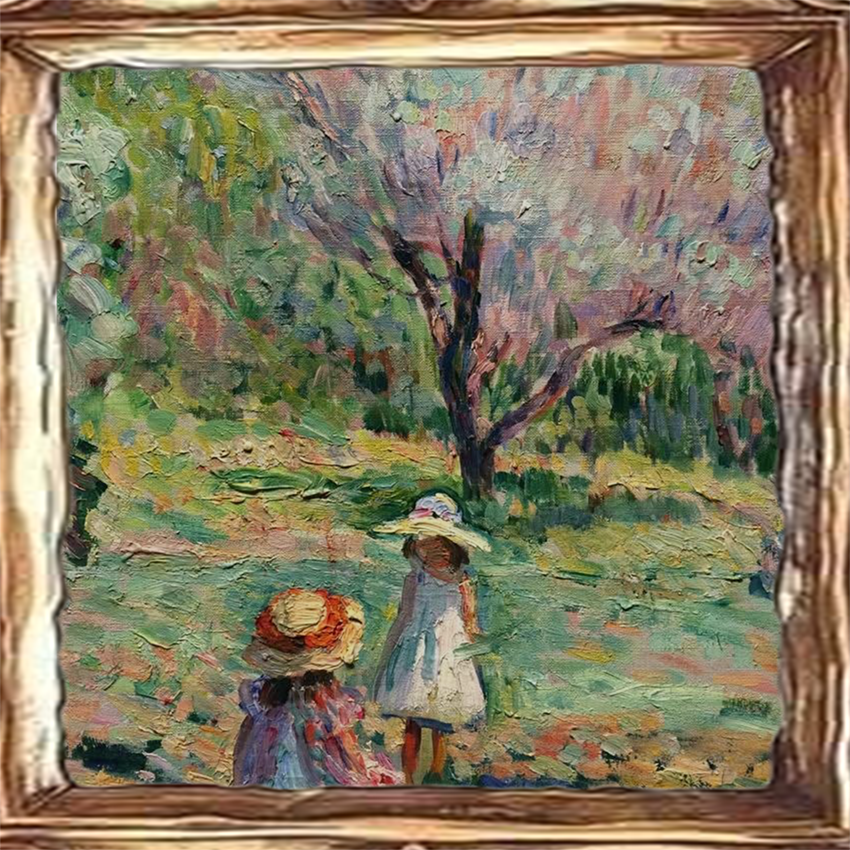
Paul Czanne - 'Young Girls in a Mediterranean
Landscape' In this piece, Young Girls in a Mediterranean Landscape, young girls are shown in a warm Mediterranean environment. Czanne has used geometric shapes, tones and solid brush strokes to construct a firm, well-structured composition, in which the figures dissolve into the surrounding trees and landscape - hinting at his fascination for the connection between humans and nature. The work is typical of Czanne's Post-Impressionist style, where form and colour are key, rather than any photographic likeness.
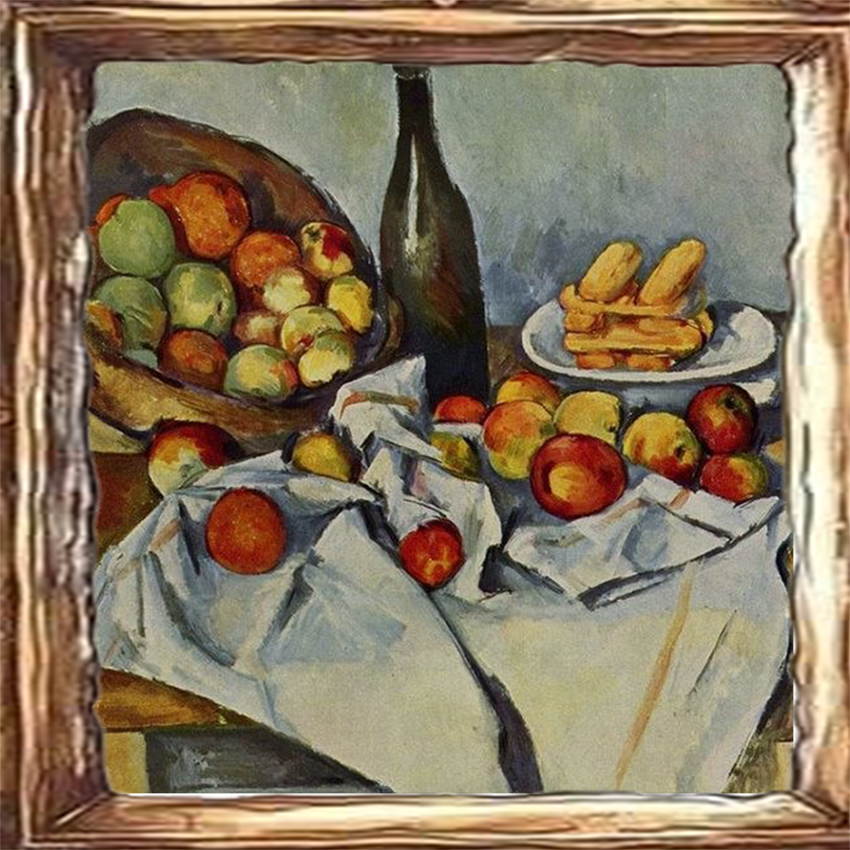
Paul Czanne - The Basket of Apples (c. 1893)
The Basket of Apples is a still-life of a basket of apples, a bottle and some apples on a table. Czanne has used bold colours, shapes and visible brushstrokes to build-up depth and structure, although the objects are asymmetrically skewed and distorted rather than entirely realistic. This unusual focus on form, shape and perception is characteristic of Czanne's work and important for leading the way to Post-Impressionism and Cubism.