
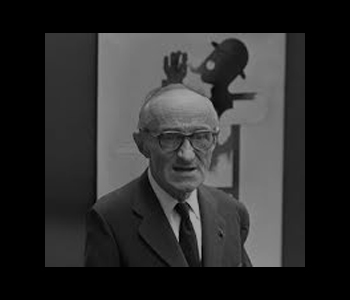
A. M. Cassandre
A. M. Cassandre (1901–1968) was a French-Ukrainian artist celebrated for revolutionizing graphic design and advertising in the Art Deco era. He combined bold geometric shapes, striking perspectives, and clean typography to create iconic posters for ocean liners, products, and exhibitions, like Le Normandie and L’Atlantique. Cassandre also designed the famous typeface Bifur and influenced modern visual communication by making posters both functional and highly artistic. His work merges elegance, modernity, and clarity, capturing the optimism and dynamism of the early 20th century.
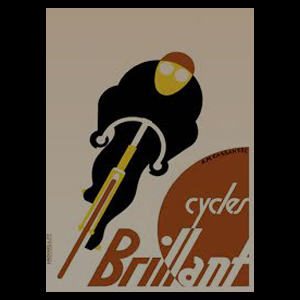
Cycles Brilliant
Cycle is a famous 1920s poster by A. M. Cassandre that shows a cyclist using bold geometric shapes and strong lines to suggest speed and motion, capturing the modern, industrial energy of the time.
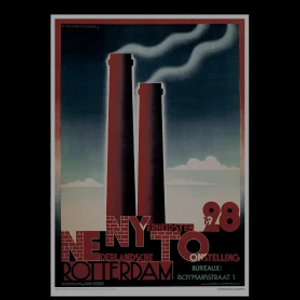
Nederlandsche Nyverheidstentoonstelling
Nederlandsche Nyverheidstentoonstelling is a 1920s poster by A. M. Cassandre that uses bold geometric shapes and strong symmetry to promote a Dutch industrial exhibition, emphasizing progress, industry, and modern design.
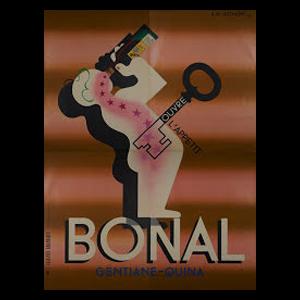
Bonal
Bonal is a 1920s advertising poster by A. M. Cassandre that uses bold typography and simple, layered shapes to promote the Bonal aperitif, creating a strong, eye-catching design with a sense of depth and elegance.
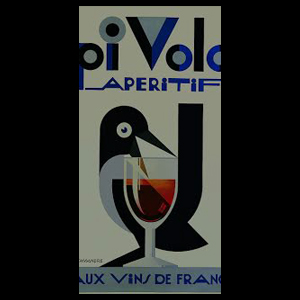
Pivolo
Pivolo is a playful ad with simplified forms and a humorous figure, showing Cassandre’s skill in visual storytelling.
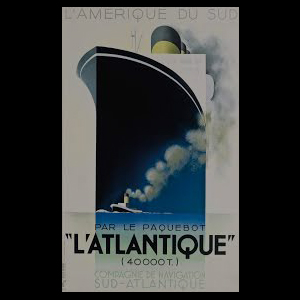
L'Atlantique
L'Atlantique is a 1930s poster by A. M. Cassandre that depicts a massive ocean liner using clean lines, symmetry, and bold perspective to emphasize power, scale, and modern luxury.
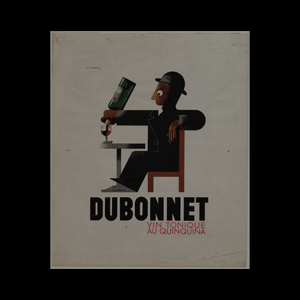
Dubonnet
Dubonnet is a clever sequence poster using repetition to show a figure enjoying the drink step-by-step.
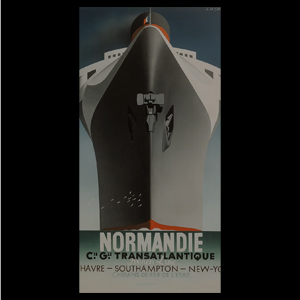
Le Normandie
Le Normandie is a famous 1935 poster by A. M. Cassandre showing a huge ocean liner from a dramatic front view, using symmetry and bold shapes to highlight its size, strength, and modern elegance.
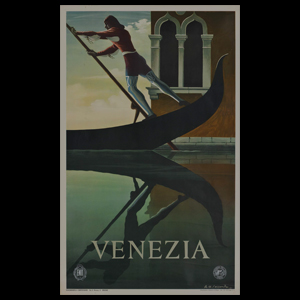
Vin Tonique au Quinquina
Vin Tonique au Quinquina is a bold advertisement using strong typography and color contrast to promote a tonic wine.
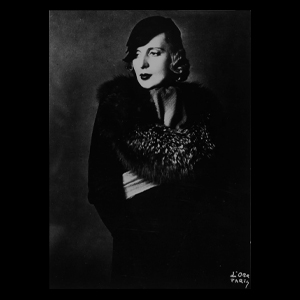
Tamara de Lempicka
Tamara de Lempicka (1898–1980) was a Polish-born artist who became one of the most iconic painters of the Art Deco era, known for her sleek, stylized portraits of high society figures. Her work combines bold geometric forms, smooth polished surfaces, and dramatic lighting, creating a sense of elegance, luxury, and modernity that reflects the spirit of the 1920s and 1930s. Paintings such as Self-Portrait (Tamara in a Green Bugatti) showcase her signature style and themes of independence and sophistication, making her a defining voice in modern portraiture.
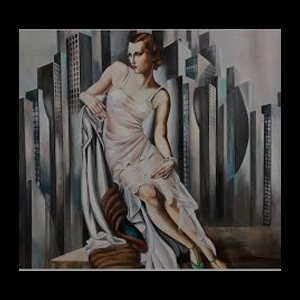
Portrait of Mrs. Allan Bott
This portrait presents a refined, elegant woman rendered with smooth, sculptural forms and polished surfaces. Lempicka uses strong lighting and simplified geometry to emphasize sophistication and modern femininity typical of the Art Deco era.
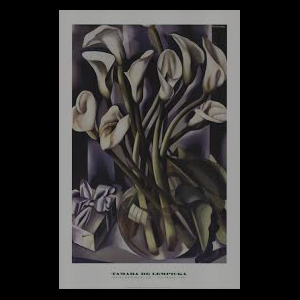
Arums (Calla Lily)
This still life focuses on the sensual curves of calla lilies, using soft gradients and sleek shapes to create a sense of purity and subtle eroticism. The composition highlights Lempicka’s ability to turn simple forms into striking, modern visuals.
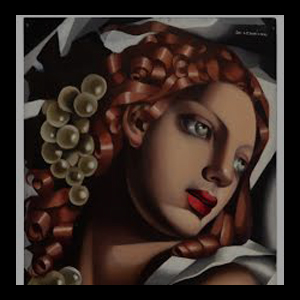
The Brilliance
In this work, Lempicka emphasizes light and surface, using glossy textures and sharp contrasts to create a radiant, almost metallic effect. The piece reflects luxury and the fascination with modernity and glamour.
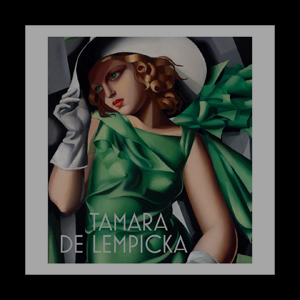
Young Girl with Gloves
This portrait captures youthful elegance through smooth skin tones, stylized features, and controlled lighting. The subject appears poised and refined, embodying innocence mixed with sophistication.
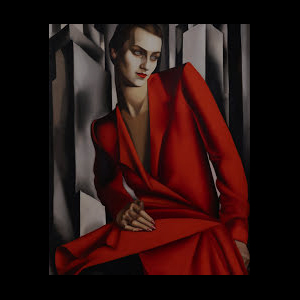
Portrait de Mrs. Bush
Lempicka portrays the sitter with bold contours and a polished finish, emphasizing status and confidence. The composition reflects the luxurious lifestyle and modern identity of the upper class.
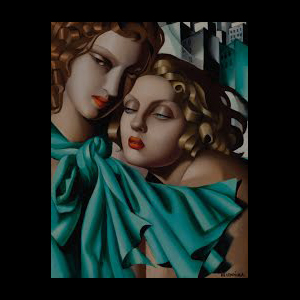
Les Jeunes Filles
This painting explores intimacy and connection between two figures through intertwined forms and soft yet defined shapes. It conveys both emotional closeness and the stylized elegance of Lempicka’s work.
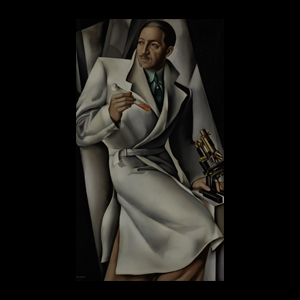
Portrait du Docteur Boucard
Here, Lempicka applies her sleek, geometric style to a male subject, emphasizing intelligence and authority. The sharp lines and controlled shading create a sense of professionalism and modern identity.
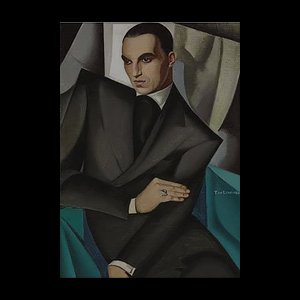
Portrait of Marquis Sommi
This portrait highlights aristocratic elegance through strong structure, smooth textures, and confident posture. The work reflects both the individuality of the sitter and the broader glamour of the Art Deco elite.